Types of Valves Used in Lithium Battery Production
In the manufacturing of lithium batteries, precision control of gases, liquids, and vacuum environments is essential to ensure safety, quality, and efficiency. Valves play a critical role in these processes by regulating flow, pressure, and containment at various stages of production. Below is an overview of the most commonly used valve types in lithium battery manufacturing and their specific functions.
1. Ball Valves
Ball valves are commonly used for on-off control of fluids in lithium battery production. Their simple structure allows for quick operation and tight sealing. These valves are ideal for processes that require complete shutoff with minimal leakage, such as transferring electrolyte solutions or controlling cooling water in battery cooling systems. Stainless steel ball valves are preferred for their corrosion resistance and durability.
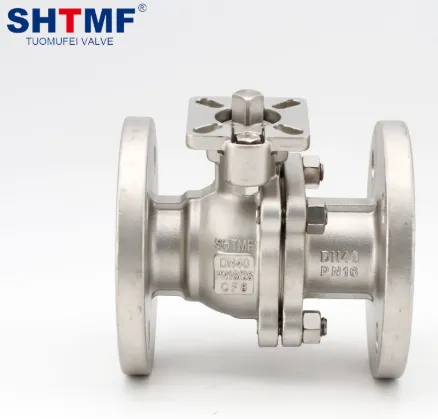
American Standard High Platform Flange Ball Valve
2. Diaphragm Valves
Diaphragm valves are extensively used in applications where cleanliness and chemical compatibility are crucial. In lithium battery production, these valves are ideal for handling highly corrosive chemicals like hydrofluoric acid and electrolyte components. The non-contaminating flow path and hermetic sealing make them suitable for cleanroom environments and chemical dosing systems.
3. Needle Valves
Needle valves provide precise control of flow rates, especially in low-flow systems. These valves are important in laboratory-scale processes, gas flow regulation, or electrolyte injection, where exact volumes must be administered. The fine-threaded stem and narrow orifice ensure accurate adjustments, which is critical for consistent battery performance.
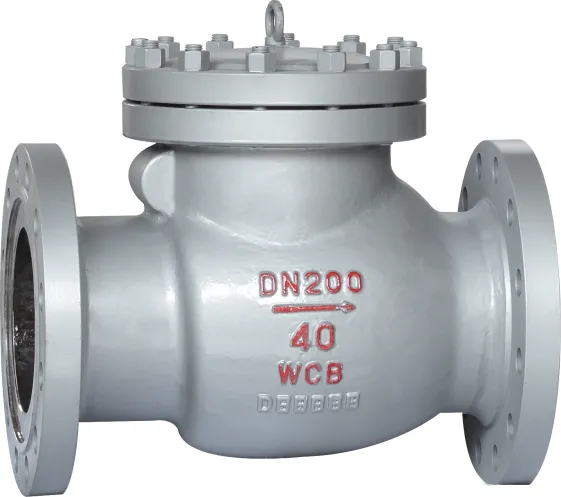
4. Check Valves
Check valves allow flow in one direction only, preventing backflow that could cause contamination or equipment damage. In lithium battery production lines, check valves are often installed in fluid delivery systems and gas pipelines to protect pumps, tanks, and dosing equipment from reverse flow during maintenance or process interruptions.
5. Pressure Relief Valves
Pressure relief valves are essential safety devices used to protect systems from overpressure conditions. During electrolyte filling or vacuum drying processes, pressure spikes can occur, which may damage equipment or pose safety risks. These valves automatically release excess pressure, maintaining system integrity and operator safety.
6. Solenoid Valves
Solenoid valves are electrically actuated and used for automated flow control. These valves are widely applied in lithium battery production lines for tasks such as filling, purging, and sealing processes. Their fast response time and integration with PLC systems make them ideal for high-speed, automated manufacturing environments.
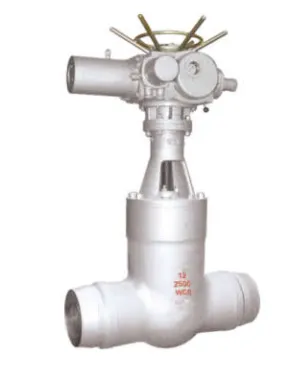
7. Gate Valves
Gate valves are used in applications that require unobstructed flow or complete shutoff. Though not suited for throttling, gate valves are useful in utility systems like water and vacuum supply lines. Their robust design and full-bore flow path reduce pressure drops and improve system efficiency.
8. Butterfly Valves
Butterfly valves offer compact and lightweight flow control, ideal for large-diameter pipelines. In lithium battery manufacturing, they are often used in ventilation systems and cooling circuits. Their quick operation and low pressure drop characteristics are well-suited for non-critical fluid control tasks.
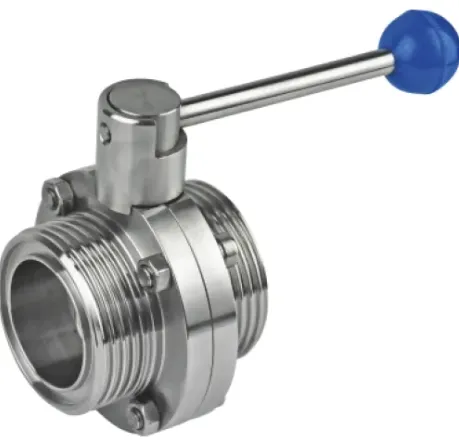
Sanitary External Thread Butterfly Valve
9. Globe Valves
Globe valves provide excellent throttling capabilities and are often used where flow regulation is needed. In battery manufacturing, they may be used for adjusting steam or gas flows, maintaining process temperatures, or managing chemical injection rates. Their design allows for better flow modulation than gate or ball valves.
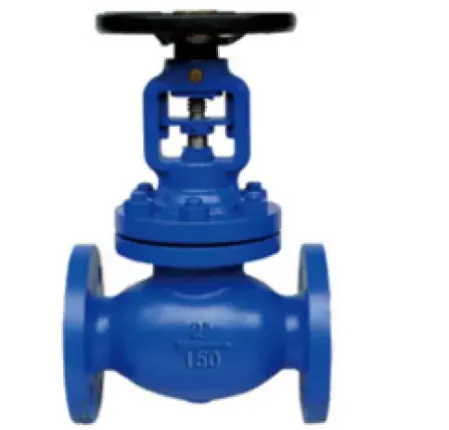
American Standard Bellows Globe Valve
10. Pinch Valves
Pinch valves are suitable for handling abrasive or corrosive slurries and are often used in battery slurry mixing and coating processes. Since the valve body does not come into contact with the fluid, contamination is minimized. They are especially effective in processes involving viscous or particulate-laden fluids.
Each type of valve used in lithium battery production serves a specific purpose based on the requirements of flow control, chemical compatibility, and process precision. Choosing the right valve not only improves production efficiency but also ensures safety and product consistency. As lithium battery technology evolves, so does the need for advanced valve solutions tailored to increasingly sophisticated manufacturing processes.
Tuomufei Valve
At Tuomufei Valve Technology Co., Ltd., we specialize in the R&D and production of actuators and complete automatic control valve systems, offering full-service support from installation to technical consultation. Backed by ISO9001 certification and strong bases in Shanghai and Anhui, we combine innovation, strict quality management, and industry expertise to deliver reliable valve solutions tailored to your unique application needs.


评论
发表评论